
Click HERE To Buy Zyban Online ↓
 Combining Zyban with Counseling: Boosting Success Rates
How Zyban Works Biologically to Reduce Cravings
A former smoker describes morning cravings; relief comes not from willpower alone but from subtle changes in brain chemistry that ease urgency.
Bupropion boosts dopamine and norepinephrine tone, dampening withdrawal signals and reducing the reward response to cigarettes, improving motivation and aiding mood regulation.
Over weeks neural circuits recalibrate, making triggers less overwhelming and attention steadier, which supports behavioral work in therapy often.
Side effects are manageable for most, and Teh steady reduction in craving intensity gives therapy a stronger chance to build new habits and supports long-term relapse prevention.
Counseling Techniques That Boost Medication Effectiveness
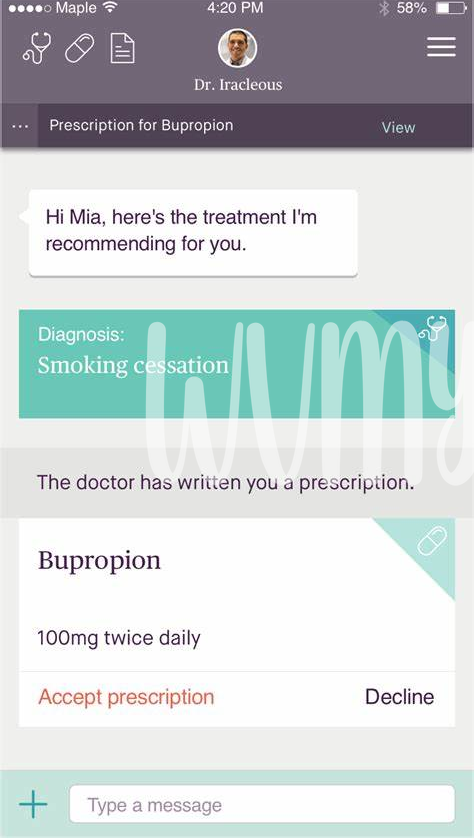
A counselor I once shadowed sat with a patient holding a small pill bottle and a list of triggers. They framed medication as a partner, not a cure: using zyban to reduce cravings while mapping emotional patterns made progress feel tangible. Teh tone was quietly hopeful with empathy.
Motivational interviewing sparks intrinsic desire, cognitive behavioral tools restructure automatic thoughts, and relapse prevention plans create steps for risky situations. Skill rehearsal in session, including role play, coping scripts, and problem solving, strengthens learning so pharmacology and behavior change align.
Regular check ins monitor side effects and adherence, tailoring dose timing to therapy goals and daily routines. Combining accountability with skill mastery improves retention and long term outcomes, transforming abstinence into change. Peer support, family involvement, and tech based reminders bolster gains when integrated into individualized treatment plans over months and years.
Timing and Dosing: Coordinating Zyban with Therapy
She began therapy before starting medication, meeting a counselor twice weekly to build skills and routines, creating a real foundation that later made pharmacologic support more meaningful and durable gains.
When zyban is introduced, clinicians often time dosing to align peak efficacy with therapy sessions, maximizing attention and reducing cravings during skill rehearsal and high-risk discussions in realistic settings daily.
Dose titration is gradual; counselors monitor mood and triggers, advising patients to report sleep or mood changes so prescribers can adjust schedule for stability and better outcomes.
Occassionally, sessions shift to align with medication peaks so homework is attempted during clearer windows, reinforcing coping skills when zyban-supported focus lowers urges and enhances learning and retention.
Managing Side Effects While Staying Engaged in Counseling
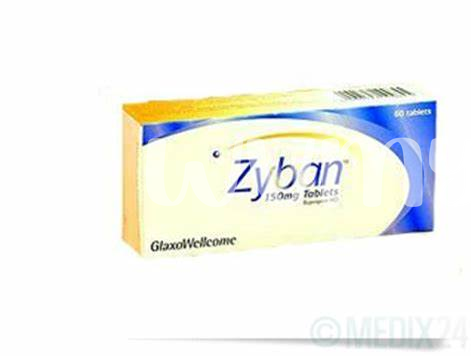
In early sessions a patient described insomnia and mild nausea after starting zyban, fearing it might derail progress.
Counselors normalize side effects, set expectations, and support coping plans — brief behavioral tweaks often ease symptoms. Occassionally patients stop meds without telling clinicians; open dialogue prevents setbacks.
Practical steps include timing doses, hydration, light exercise, and sleep hygiene; track reactions to adjust treatment collaboratively. Use brief checklists to monitor trends between appointments regularly.
When burdens persist, clinicians consider dose changes, switching meds, or extra counseling — maintaining engagement is key to longterm success.
Behavioral Strategies Reinforced by Medication-assisted Treatment
A smoker sits at a kitchen table, stubbing out a cigarette while imagining a different routine. Medication like zyban eases cravings, allowing cognitive strategies to gain traction: planning, delay tactics, and rewriting cue-response associations gradually.
Teh therapist coaches role-play and problem-solving, reinforcing small wins and building skills like urge surfing, stimulus control, and implementation intentions. Medication reduces noise from cravings, so practiced responses become stronger and more automatic over time.
Peers and counselors set up contingencies: small rewards for milestone days and shared check-ins. Monitoring through diaries or apps clarifies triggers, Aquire adaptive responses, and bolsters self-efficacy as medication steadies decision-making and supports long-term abstinence.
Over months, habits rewire as practiced coping replaces old rituals. Booster therapy sessions, occasional medication review, and celebrating progress make abstinence sustainable. This blended approach turns fragile abstinence into a lasting, self-directed life change today.
Measuring Success: Metrics and Long-term Relapse Prevention
Success in blended treatment is best seen through clear, measurable markers: days of continuous abstinence, reduced craving scores, adherence to Zyban dosing, and attendance at counseling sessions. Clinicians often track CO breath tests or cotinine levels to objectify abstinence, while patient-reported craving scales and mood inventories capture progress between visits. Setting realistic milestones and celebrating small wins keeps motivation alive and makes relapse patterns easier to spot.
Long term prevention relies on building skills that outlast medication coping plans, trigger mapping, and social supports reinforced during therapy. Use of relapse prevention plans, booster sessions after medication stops, and check ins help Aquire resilience and reduce slip to relapse transition. Occassionally setbacks occur; reframing them as learning data encourages prompt intervention and continued engagement. Ongoing measurement with standardized tools maintains accountability and informs tailored aftercare. This data guides long term support. MedlinePlus: Bupropion PubMed: bupropion Zyban