
Click HERE To Buy Zithromax Online ↓
 Zithromax and Antibiotic Resistance: What You Need to Know
How Zithromax Works: Mechanism and Common Uses
Imagine a stealthy saboteur slipping into a bacterial factory and stopping the assembly line; that’s essentially how azithromycin acts. It lodges on the bacterial 50S ribosomal subunit and prevents protein chain elongation, interrupting essential protein synthesis. The drug concentrates inside cells and tissues, has a long half life and a lingering post antibiotic effect, which allows short courses and convenient dosing while maintaining levels that suppress growth.
Clinicians commonly reach for it to treat respiratory infections, certain skin infections, some sexually transmitted infections like chlamydia, and atypical pathogens such as Mycoplasma and Legionella. It’s not first line for all bacteria, and resistance patterns matter; misuse reduces effectiveness. Patients appreciate short regimens and fewer gastrointestinal effects than some alternatives, but accurate diagnosis and stewardship are essential to preserve its utility. Follow prescriber instructions and complete courses to limit resistance spread widely.
| Common indication | Typical adult regimen |
|---|---|
| Community‑acquired respiratory infections | 500 mg day 1, then 250 mg days 2–5 |
| Chlamydia (uncomplicated) | Single 1 g oral dose |
| Atypical pathogens (Mycoplasma, Legionella) | 500 mg day 1, then 250 mg days 2–5 (or 500 mg daily x3) |
Rising Resistance: Global Trends and Alarming Data

Across clinics and communities, stories of once-reliable antibiotics failing are becoming routine. Surveillance programs now record rising treatment failures, turning anecdote into measurable data across continents. Local clinics now share data much faster.
Laboratory reports show higher minimum inhibitory concentrations for common pathogens, while public health databases highlight geographic hotspots where resistance climbs fastest and widespread surveillance gaps persist.
Macrolide resistance, which undermines drugs like zithromax, spreads through both point mutations and mobile genetic elements, making containment technically and logistically challenging and cross-border spread accelerates.
Consequences include longer illnesses, higher hospitalization rates, and more complex therapies. Without urgent stewardship and surveillance expansion, these trends threaten routine care and global health security, urging coordinated global action.
Why Overuse Fuels Zithromax Resistance Rapidly
A busy clinic fills with patients seeking quick fixes, and a provider prescribes with a weary sigh. Repeated prescriptions teach bacteria to survive, selecting resistant strains that spread beyond that single treatment and communities too
When antibiotics like zithromax are used indiscriminately, low drug levels allow partially resistant bacteria to survive. Mobile genetic elements then transfer resistance rapidly, turning single mutations into widespread community threats and undermining treatments globally urgently
Doctors often face pressure to prescribe, and patients expect immediate relief. In agriculture, routine antibiotic use accelerates selection. Weak diagnostic systems and over the counter access compound the issue, creating fertile ground for resistance regionally
The result is predictable: once resistance blooms, standard therapies fail and costs rise. Stewardship, targeted prescribing, better tests, and global surveillance are essential to slow spread and preserve the efficacy of agents such as zithromax.
Detecting Resistance: Tests, Symptoms, and Red Flags
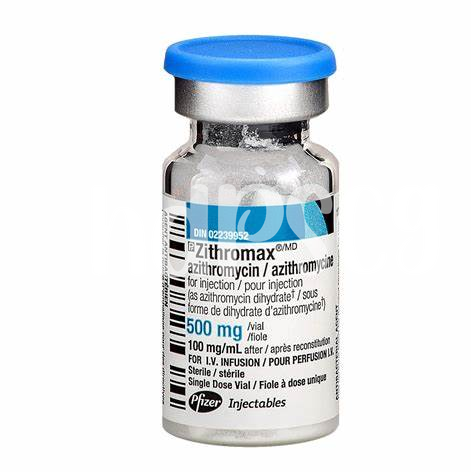
When infections fail to improve after standard therapy, clinicians suspect resistance and order cultures, susceptibility testing, or PCR for resistance genes; rapid molecular assays help determine whether zithromax remains effective.
Red flags include worsening symptoms, persistent fever, relapse after short improvement, or spreading infection; macrolide resistance is increasingly reported in respiratory pathogens, making early laboratory confirmation crucial for treatment decisions.
If tests show resistance, avoid reusing the same class; clinicians should switch agents based on susceptibility, consult infectious-disease specialists when needed, and practice antibiotic stewardship to limit spread where possible.
Clinical Consequences: Treatment Failures and Complications
A patient story: after completing zithromax for bronchitis, symptoms returned with fever and cough. The expected improvement never came, transforming a routine prescription into a perplexing, frightening delay while the infection persisted and spread.
Clinically, resistance can convert an oral course into treatment failure, forcing broader-spectrum or intravenous agents. This raises risks of side effects, drug interactions, longer hospital stays and higher healthcare costs, undermining confidence in simple outpatient therapy.
| Consequence | Sign | Action |
|---|---|---|
| Treatment failure | Persistent fever | Culture and switch therapy |
| Complications | Worsening cough or sepsis | IV antibiotics, support |
Failure outcomes shift responsibility back to clinicians and communities: rapid diagnostics, targeted cultures and antimicrobial stewardship prevent escalation. Patients should complete prescribed courses only when indicated, avoid pressuring for zithromax, seek follow-up if symptoms persist, and support vaccination and infection control to reduce future complications and reduce morbidity and costs locally
Practical Tips: Use, Stewardship, and Safer Alternatives
Use antibiotics only when prescribed and follow dosing and duration exactly; stopping early or using leftover pills accelerates resistance. Ask your clinician about culture tests before receiving macrolides and avoid demand-driven prescriptions for viral illnesses; complete the full course even if you feel better.
Stewardship means choosing narrow-spectrum drugs when possible, using symptomatic measures, and relying on vaccines and hygiene to prevent infections. Discuss safer alternatives, local resistance patterns, and targeted therapy and prompt diagnostic testing with your provider to reduce failures, preserve future treatment options, and protect community health.