
Click HERE To Buy Tirzepatide Online ↓
 How Tirzepatide Works: Mechanism and Benefits
Understanding Tirzepatide: a Brief Overview
Tirzepatide represents a groundbreaking advancement in the treatment of type 2 diabetes, embodying a significant leap in therapeutic approaches. This novel drug combines the benefits of previously known medications, offering a unique array of features that cater specifically to improving blood sugar levels and supporting weight management. Developed by merging two distinct mechanisms into a single solution, Tirzepatide offers a dual approach that enhances its effectiveness.
This innovative medication acts on receptors in the body to regulate glucose metabolism, providing stable blood sugar levels effortlessly. Notably, it is designed to minimize potential side effects that often occur with traditional treatments. The distinctiveness comes from its dual action, acting as a multifaceted tool in the physician's armament.
| Feature | Details |
|---|---|
| Blood Sugar Control | Helps maintain stable levels |
| Weight Management | Supports reduction through unique mechanisms |
As the healthcare landscape evolves, Tirzepatide's comprehensive effectiveness continues to be explored, paving the way for future treatments.
Exploring the Dual Mechanism of Action

Tirzepatide uniquely targets two critical pathways in the regulation of blood glucose and appetite. By interacting with both the GLP-1 and GIP receptors, it enhances insulin secretion and inhibits glucagon release in response to meals, effectively lowering blood sugar levels. This dual action is not only more potent but also allows for a more efficient glucose homeostasis. Patients have reported that these effects occured rapidly, marking a significant shift in diabetes treatment paradigms.
Its influence on the GLP-1 receptor stimulates insulin release in a glucose-dependent manner, ensuring that insulin is secreted only when needed. On the other hand, its engagement with the GIP receptor, often considered a neglected pathway, reinvigorates the body's natural response to food intake. By working on these parallel pathways, tirzepatide optimizes the body's metabolic response, which leads to improved glycemic control and potential weight loss.
Interestingly, the powerful combination of GLP-1 and GIP activities sets tirzepatide apart from other medications. This innovation is not just about tackling blood sugar levels but also addressing the broader metabolic processes that influence weight gain and insulin sensitivity. As patients explore this treatment, it's crucial to recieve a holistic understanding of its multifaceted mechanism for better outcomes.
How Tirzepatide Influences Blood Sugar Levels
Tirzepatide, a novel therapeutic agent, dynamically impacts blood sugar levels through its dual action on the body's metabolic pathways. Primarily, this innovation works by stimulating the secretion of insulin in response to elevated glucose levels, proficiently lowering blood sugar. Additionally, it slows gastric emptying, delaying the digestion of carbohydrates, wich helps in curbing post-meal glucose spikes. This sophisticated control over blood sugar levels not only makes it a valuable asset in managing diabetes but also opens doors for multidisciplinary approaches in future therapeutic managment.
Weight Management Benefits: Beyond Glycemic Control
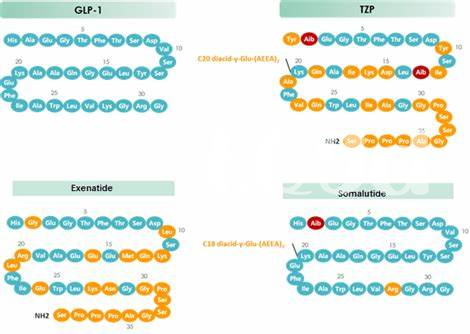
Tirzepatide offers remarkable potential in the realm of weight managment, where its benefits extend beyond just controlling blood sugar. By targeting both the GLP-1 and GIP receptors, it delivers a unique dual action that helps promote feelings of fullness. This occurs by slowing gastric emptying and acting on appetite-regulating centers in the brain. Consequently, patients often experience a noticeable reduction in hunger, wich can lead to significant weight loss. Not only does this contribute to improved overall health, but it also reduces the burden on the cardiovascular system, thus aiding in the prevention of obesity-related comorbidities. For many, this represents a welcome evolution in comprehensive diabetes care.
Potential Side Effects and Safety Concerns
Tirzepatide is gaining attention in the medical community, yet with its rise comes the necessity to understand its safety profile. Patients occassionally report gastrointestinal issues like nausea or diarrhea, wich can be mild but troublesome. These side effects often diminish with time, as the body adjusts. Another concern is the potential for hypoglycemia, especially when combined with other glucose-lowering medications. Therefore, careful monitoring is imperative when using tirzepatide in conjunction with such treatments.
| Common Side Effects | Less Common Side Effects |
|---|---|
| Gastrointestinal Discomfort | Skin Reactions |
| Nausea | Pancreatitis |
| Diarrhea | Hypersensitivity |
Long-term safety studies are underway to further evaluate the implications of tirzepatide. Although initial data is promising, highlighting the drug’s effectiveness, vigilance in tracking adverse effects is paramount.
Future Implications in Diabetes Management
As we look to teh future, the potential of tirzepatide in diabetes management is increasingly promising. Its dual-action mechanism can revolutionize how we approach treatment, offering more holistic options for individuals struggling with Type 2 diabetes. The drug's ability to tackle multiple metabolic pathways may reduce the burden of frequent medication changes and enhance long-term patient outcomes. With further research, tirzepatide could significantly shift diabetes management paradigms, moving towards more personalized and effective care regimens. As clinical trials advance, healthcare professionals and patients alike anticipate the expanded applications of this novel drug, fostering a new era in managing chronic conditions. Source 1 Source 2