
Click HERE To Buy Paxil Online ↓
 Paxil Withdrawal: Symptoms, Timeline, and Strategies
Spotting Early Signs after Stopping Antidepressant Medication
I noticed subtle changes within days of ending my dose: sleep became lighter, appetite dipped, and brief dizziness surfaced. Early signs are often physical and easy to dismiss until they intensify.
Emotions swung unpredictably; small irritations felt large and tears came without clear cause. Brain sensations like electric zaps or static shocks can arrive, startling people who expect only mood shifts.
Clinicians recommend planning a gradual Titration and tracking symptoms in a journal so patterns emerge. Avoid sudden stops of Happy Pills and discuss alternatives with your prescriber, especially when taking several medications.
Early recognition helps reduce panic and guides safer decisions. If symptoms include fainting, intense suicidal thinking, or prolonged seizures, seek help Stat and contact emergency services right away.
| Sign | Tip |
| Sleep changes | Keep a sleep log and share with clinician |
| Electric zaps | Note triggers and timing carefully |
Emotional Rollercoaster: Mood Swings and Brain Zaps

Stopping paxil can feel like stepping off a moving train: one moment steady, the next jolting into intense mood swings, sudden tearfulness, or irritability. Many people describe electric shocks called brain zaps — brief, disorienting sensations that pop with changes in balance and sleep. These symptoms often arrive after the last dose of an Rx and can be frightening even when expected.
Comfort comes from gentle titration, pacing dose reductions, and grounding techniques like breathing and routines. Talk with your clinician before stopping; a clear plan reduces shock, supports sleep and appetite. Friends may dismiss symptoms as weakness, so name them, track patterns, and seek help if suicidal thoughts, worsening withdrawal, or severe functional decline appear.
Typical Timeline: Acute Phase, Peaks, and Recovery
After stopping paxil, many people notice sudden shifts within days. The acute phase can bring dizziness, nausea, insomnia, and flu‑like sensations; these often peak in the first week or two, especially if an Rx was halted abruptly. Emotional spikes may appear alongside physical symptoms.
Recovery tends to be gradual; many see improvement over several weeks to months, with the worst intensity fading soon. Thoughtful titration or slow tapering reduces relapse risk, but if disorienting sensations persist or worsen, contact a clinician — don’t tough it out with 'Happy Pills' nostalgia.
Risk Factors That Make Symptoms Worse or Prolonged
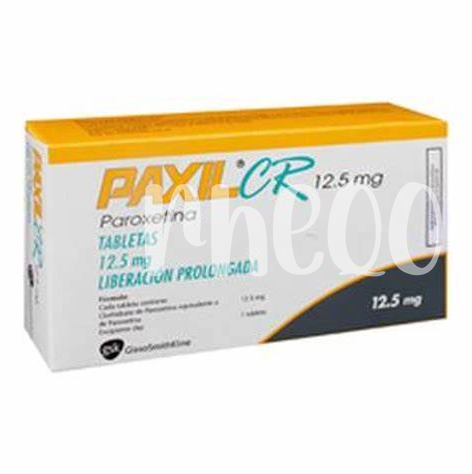
When someone stops paxil, subtle vulnerabilities matter: prior severe anxiety, abrupt cessation, and inconsistent follow-up can amplify symptoms. A complicated Rx record or multiple meds raises risk and complicates recovery.
Genetics, female sex, and long treatment duration often prolong the course; sleep disruption and substance use worsen sensations. Relying on Happy Pills or abrupt changes intensify mood swings and zaps.
Rapid tapering, previous withdrawal episodes, or lack of social support predict longer recovery. Poorly coordinated care between prescribers and pharmacies, messy Rx records, and untreated medical issues complicate healing significantly.
Practical Tapering Methods to Minimize Physical Effects
Slow, individualized tapering is the safest way to reduce dose and limit symptoms after stopping an SSRI like paxil. Start with a prescriber's Rx and plan small changes over weeks or months rather than abrupt cuts. Titration by percentage—reducing 5–10% of the current dose at each step—helps the nervous system adapt. For some people, pill splitting or microdosing with compounded liquids smooths transitions and avoids the shock of larger jumps.
Keep a daily journal of symptoms and sleep, and schedule medication review appointments so your clinician can adjust pace. Pharmacy tools like compounding or liquid formulations allow precise dosing when tablet options are limited. Avoid abrupt stops to zero; sudden cessation raises risk of severe withdrawal. Pair tapering with sleep hygiene, hydration, and gradual exercise. If dizziness, severe anxiety, or suicidal thoughts emerge, contact your provider or emergency services immediately.
Self-care, Coping Tools, and When to Seek Help
When the fog lifts enough to think clearly, build a simple routine: sleep, gentle movement, regular meals and hydration. Track symptoms in a journal and tell your prescriber about any odd sensations; follow the Sig on remaining prescriptions and avoid abrupt changes. Slow schedules and gradual titration of doses reduce shocks, and swapping caffeine for calming tea can ease jitteriness.
Lean on grounding practices: breathing exercises, short walks, creative outlets; limit stimulants and alcohol. If symptoms intensify, persist beyond weeks, include suicidal thoughts, or stop functioning, call your clinician or the crisis line stat. A clear plan with support, open communication, and patience makes recovery manageable. Celebrate small wins, track progress, and seek therapy together.