
Click HERE To Buy Lyrica Online ↓
 Lyrica Vs Gabapentin: Key Differences Explained
Different Mechanisms of Action and Targets
One drug binds tightly to the α2δ subunit of voltage-gated calcium channels, calming hyperexcitable nerves and rapidly reducing certain types of neuropathic pain. Its molecular design allows predictable absorption and stronger receptor affinity, producing more consistent effects at lower doses in many patients, clinically observable.
The other agent shares the same target but has lower binding affinity and non-linear absorption, requiring higher, more frequent dosing to achieve similar nerve-stabilizing effects. Clinicians balance onset speed, titration complexity, and patient tolerance when choosing between them, tailoring therapy to symptom severity and comorbidities.
Approved Uses Versus Off‑label Prescribing Trends

Clinicians often reach for lyrica (pregabalin) and gabapentin for nerve-related pain and seizures, but their labeled indications differ. Lyrica is approved for diabetic peripheral neuropathy, postherpetic neuralgia, fibromyalgia, and as adjunctive therapy for partial seizures; gabapentin’s approvals are narrower—primarily postherpetic neuralgia and adjunctive partial seizure control. These approved uses reflect randomized trials supporting pregabalin’s analgesic and fibromyalgia benefits and gabapentin’s utility in neuropathic syndromes and epilepsy.
Despite labels, both drugs are prescribed off‑label for conditions such as generalized anxiety, chronic low back pain, migraine prevention, and insomnia, driven by prescriber experience, tolerability, and cost differences. Off‑label use can fill therapeutic gaps, but evidence quality varies; pregabalin’s more predictable absorption and potency can favor it in refractory cases, while gabapentin remains attractive where affordability is paramount. Shared decision‑making and regular review help ensure benefits outweigh risks when venturing beyond approved indications.
Side Effect Profiles: What to Watch for
Patients often notice drowsiness, dizziness, weight gain, and peripheral edema early on; these common effects can feel frustrating but usually lessen with time. lyrica frequently causes somnolence and balance problems, while gabapentin may provoke more fatigue and gastrointestinal upset.
Serious risks like allergic reactions, respiratory depression (especially with opioids), mood changes, and suicidal thoughts demand prompt attention. Clinicians should monitor breathing, mood, and swelling, adjust doses gradually, and counsel patients about fall risk and driving until individual tolerance is clear. Report new or worsening symptoms immediately to your prescriber now.
Dosing, Bioavailability, and Onset of Action
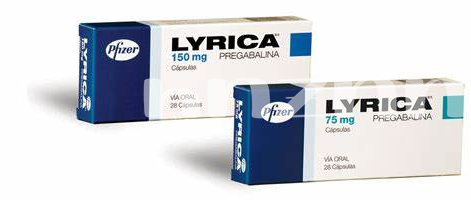
Starting a new neuropathic pain regimen, patients often ask how quickly relief begins and what dose to expect. Clinicians typically titrate gabapentin from low to moderate doses over days, while lyrica achieves therapeutic levels at lower milligram strengths because of greater potency.
Absorption differs: gabapentin has saturable transport with variable bioavailability that decreases at higher doses, so splitting doses improves plasma levels. Pregabalin (lyrica) has linear absorption and more predictable blood concentrations, allowing simpler twice-daily or three-times-daily schedules.
Onset can be days to weeks; some notice benefit within 24 to 72 hours, others require weeks for full effect. Practical prescribing balances efficacy, tolerability, and convenience, using slow titration and monitoring to optimize adherence and outcomes.
Drug Interactions, Abuse Potential, and Dependence Risks
Clinicians weigh interaction profiles when choosing therapy; opioids, sedatives and antacids can alter effects, so review concomitant medicines closely. Consider interactions with alcohol and herbal supplements.
Pregnancy, renal impairment and elderly patients need dose adjustments; lyrica has predictable renal clearance but still requires care to avoid accumulation. And review creatinine clearance for dosing.
| Concern | Tip |
|---|---|
| Interactions | Check sedatives, opioids |
| Abuse | Prescribe cautiously |
Taper slowly after long courses to minimize withdrawal; set expectations, document plans and monitor patients for misuse and emerging dependence. Use agreements and urine screens when indicated regularly.
Cost, Insurance Coverage, and Practical Prescribing Tips
Choosing between these agents often comes down to payer rules and pocketbook realities. Generic gabapentin tends to be cheaper and widely covered, while pregabalin is newer and commonly carries higher copays. Discuss formulary status with patients and verify prior authorization requirements.
Also weigh practicalities: titration schedules, renal dosing, and monitoring burdens can sway the choice. For patients at risk of misuse, counsel about dependence and secure storage. When coverage or side effects limit options, coordinate with pharmacists to access samples, manufacturer assistance, or step therapy appeals and patient treatment preferences.