
Click HERE To Buy Levitra Soft Online ↓
 Myths and Facts about Levitra Soft Usage
Onset Time Truths Versus Common Myths
Many expect an instant spark, but reality is subtler: Levitra Soft typically begins working within 15–30 minutes, though individual responses vary. Factors like age, metabolism and other medications shape timing—allow time for natural arousal to complete the process, and hydration can also influence timing significantly.
Ignore myths claiming immediate erection without stimulation; Levitra Soft facilitates blood flow but requires sexual stimulation to work. If onset feels delayed repeatedly, consult a healthcare provider to check interactions or underlying conditions. Managing expectations improves satisfaction and reduces unnecessary dosing or risky combinations altogether.
| Onset | Typical range |
|---|---|
| Usual | 15–30 minutes (varies by person) |
Alcohol and Levitra Soft Safety Myths Debunked

A man and his partner laughed over drinks, but a nagging question lingered: can a little alcohol spoil the effect? In reality, modest drinking usually doesn't prevent levitra soft from working, yet excessive alcohol worsens erectile function and magnifies side effects like dizziness and low blood pressure.
Doctors advise avoiding heavy drinking when taking ED medication and seeking medical advice if you use nitrates, as combined effects can be dangerous. Practical caution—hydrate, limit alcohol, and discuss your habits—keeps treatment effective and reduces risks so therapy remains both safe and satisfying.
Does Levitra Soft Cause Psychological Dependence
Anxieties about becoming mentally reliant on erectile aids are common, but evidence suggests that occasional use of levitra soft rarely creates a true habit. Users often report improved confidence that reinforces natural sexual function rather than replacing it.
Still, psychological factors can play a role: if someone begins to believe they cannot perform without the pill, anxiety may reduce spontaneous erections. Behavioral strategies, counseling, and open communication with partners help break this pattern while preserving the medical benefits of treatment.
Clinicians monitor use and encourage periodic reassessment; when needed, tapering approaches and combined psychological therapy restore autonomy. Informed, balanced use of the medication supports both physical function and long-term sexual well‑being. Seek professional advice routinely.
Timing Food Interaction and Real Effectiveness Facts
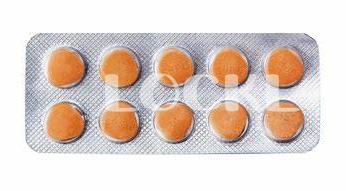
Imagine planning an intimate evening and wondering how food will change the experience: absorption, onset, and peak effect all matter. Understanding these interactions helps set realistic expectations and avoid surprises when timing matters most indeed.
Pharmacology shows high-fat meals can delay gastric emptying and slow drug uptake, reducing speed of onset. Levitra soft designed for faster mucosal absorption may be less affected, but variability still exists across individuals in studies.
For predictability, take the tablet on an emptier stomach or after a light snack; avoid greasy meals beforehand. Allow realistic lead time rather than expecting instant results, and track personal response to optimize timing consistently.
Clinical effectiveness depends on dose, individual physiology, and situational factors. While products like levitra soft offer flexibility, the best outcomes come from informed dosing, realistic expectations, and consultation with a clinician for tailored advice regularly.
Who Should Avoid Levitra Soft Medical Contraindications
Imagine a cautious conversation with your doctor: men taking nitrates for chest pain, those with severe liver disease, or anyone with a recent stroke are routinely advised against sildenafil-like medications. levitra soft can interact dangerously with nitrate-containing drugs and may worsen cardiac risk; disclose all prescriptions and heart history before considering treatment.
Also avoid if you have low blood pressure, a rare hereditary eye condition (NAION), or if you are taking alpha-blockers unless supervised by a clinician. Psychological dependence is uncommon, but medical contraindications are real — a careful review of cardiovascular status, liver function, and concurrent medications ensures safer, more effective use. When in doubt, seek specialist advice to weigh risks and benefits promptly.
| Condition | Risk |
|---|---|
| Nitrates | Severe drop in blood pressure |
| Severe liver disease | Altered drug clearance |
| Recent stroke or heart attack | Increased cardiac risk |
| Low blood pressure | Hypotension risk |
| NAION (optic neuropathy) | Potential vision loss |
| Alpha-blockers | Combined hypotension |
Separating Marketing Hype from Clinical Evidence
A friend once asked if ads promised miracles. Marketing loves vivid claims, bright visuals, and quick fixes. That emotional pull can blur judgment, making small benefits seem decisive. Critical reading starts by checking study sources.
Peer-reviewed trials often reveal nuanced outcomes: modest effect sizes, variable responses, and side effect profiles. Look for randomized, placebo-controlled studies with clear endpoints. Single sponsored trials may sometimes emphasize favorable data while underreporting limitations.
Regulatory approvals rest on aggregated evidence and safety monitoring, not on catchy slogans. Independent meta-analyses and guideline recommendations carry more weight. Consumers should prioritize replicated findings and transparent adverse event reporting over often promotional anecdotes.
Ask clinicians for balanced summaries and seek full-text studies rather than press releases. When evaluating claims, consider population differences, dosing, and meaningful clinical endpoints. Evidence, not hype, should guide safe and sensible individual medication choices.