
Click HERE To Buy Cleocin Online ↓
 Cleocin for Acne: Does It Really Work?
How Cleocin Works: Mechanism Against Acne Bacteria
It targets acne by entering bacterial cells and blocking protein production, slowing growth and reducing inflammation.
Applied topically or taken orally, it reaches hair follicles where Propionibacterium acnes thrives, lowering bacterial load.
This decreases immune signaling that causes redness and swelling, helping lesions heal faster and preventing new breakouts.
Understanding its action explains why combining with benzoyl peroxide or retinoids improves results and reduces resistance.
| Action | Effect |
|---|---|
| Inhibits bacterial protein synthesis | Reduces bacteria and inflammation |
| Delivery | Topical or oral reaches follicles effectively |
| Combination | Enhances cure, limits resistance |
| Onset | Several weeks |
Oral Vs Topical: Choosing the Right Cleocin Form
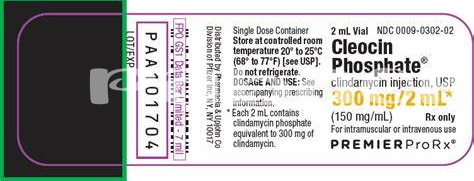
I felt hopeful handing my dermatologist a list of flare triggers; she recommended cleocin but explained oral and topical forms vary widely.
Topical cleocin targets follicles directly with fewer systemic effects, while oral therapy reaches deeper inflammation and widespread outbreaks faster but carries greater overall risks.
You might see surface improvement within weeks from topical use, whereas oral regimens often require months for full benefit and relapse prevention.
Discuss history, pregnancy plans, and antibiotic exposure with provider to choose the safest, most effective cleocin form and monitor side effects closely.
Real Results: Timelines and Realistic Expectation
Starting cleocin often feels like a slow conversation with your skin: within the first two weeks you may see fewer pustules, but true change is gradual. Antibiotics suppress acne bacteria and inflammation, so early signs are subtle rather than dramatic.
Most patients notice meaningful improvement between four and eight weeks, with the clearest results emerging by three months. Continued use as prescribed prevents rebound, but antibiotics alone rarely clear all comedones or scarring.
Combination therapy—retinoids, benzoyl peroxide, or hormonal treatments—accelerates outcomes and lowers resistance risk. Photographing progress and tracking lesion counts helps set realistic expectations and motivates adherence during slow phases. Expect gradual fading of redness and fewer new breakouts before smooth skin returns.
If no improvement after twelve weeks or side effects appear, switch strategy with your dermatologist—timely reevaluation avoids prolonged ineffective treatment and supports healthier long-term skin again.
Side Effects to Watch for with Cleocin
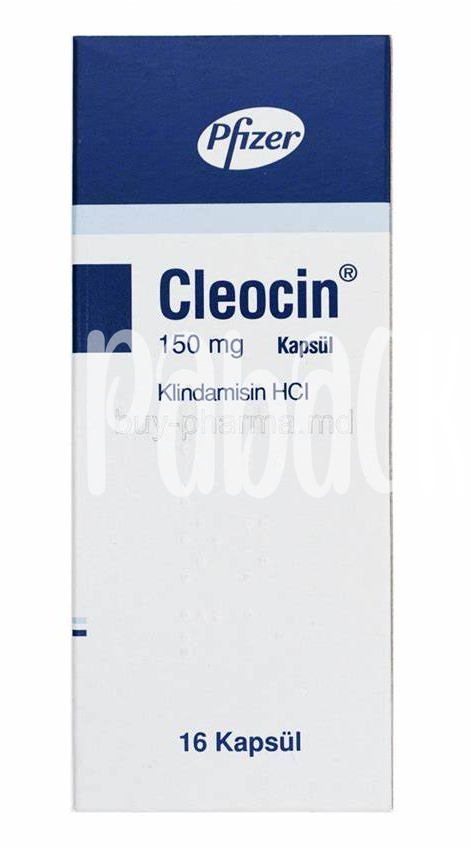
Starting a cleocin course can feel hopeful, but stay alert: mild gastrointestinal upset, diarrhea, nausea and a metallic taste are common. Topical use might cause local redness or irritation. Keep symptom diary and tell your provider about any worsening signs instead of assuming they’ll pass.
More serious reactions—severe abdominal pain, bloody stools, persistent fever, or widespread rash—require urgent evaluation because cleocin can rarely trigger C. difficile colitis or allergic responses. Pregnant or nursing patients should consult clinician before continuing. Discuss risks, alternative treatments, and duration to balance benefits with safety.
Comparing Cleocin to Other Acne Antibiotics
Every acne antibiotic has a personality, and cleocin often plays a quiet but steady role. It targets acne bacteria efficiently, making it a solid choice when topical therapies fail. Many patients notice reduced inflammation within weeks.
As an oral option, it compares differently to doxycycline or erythromycin: fewer sun sensitivity issues than doxycycline but a distinct side effect profile. Its absorption and tissue penetration influence outcomes more than brand names. Doctors weigh these nuances.
Resistance patterns matter: long term use raises concerns, and rotating antibiotics or combining with benzoyl peroxide can help. Topical antibiotics like clindamycin might be gentler systemically but can lose effectiveness alone. Discuss strategies with your clinician.
| Drug | Route | Notes |
|---|---|---|
| Cleocin | Oral/Topical | Good for inflamed acne |
| Doxycycline | Oral | Photosensitivity risk |
| Erythromycin | Topical/Oral | Variable efficacy |
When to Consult Your Dermatologist: Safety and Guidance
When over-the-counter measures falter and lesions deepen into painful nodules, it’s time to seek professional help. A dermatologist can assess whether an antibiotic regimen is appropriate, confirm diagnosis, and tailor dosing to skin type and medical history. Early consultation matters if oral therapy is being considered, if acne suddenly worsens, or if you’re pregnant, breastfeeding, or taking other medications that might interact. Specialists also monitor for signs of bacterial resistance and recommend combination therapies to reduce reliance on antibiotics.
Report any severe diarrhea, fever, rash, or breathing difficulty immediately, since these can signal serious reactions like C. difficile infection or allergy. Your provider can suggest safer alternatives, adjust treatment duration, or add topical agents and retinoids for long-term control. Regular follow-ups help track progress, minimize side effects, and decide when it’s safe to stop antibiotics and switch to maintenance strategies.