
Click HERE To Buy Antabuse Online ↓
 Medication Interactions: What Not to Mix with Antabuse
Hidden Alcohol Dangers: Foods, Mouthwash, Medications
A friend’s simple breath freshener once turned an ordinary morning into dizziness and intense flushing; many common products contain ethanol or related compounds that trigger reactions when combined with disulfiram-like therapy. Read labels on sauces, fermented foods, cough syrups, and oral rinses — even small amounts absorbed through the mouth or skin can provoke nausea, rapid heartbeat, and severe discomfort.
Practical habits help: choose alcohol-free mouthwashes, ask pharmacists about hidden alcohol in liquid medicines, and avoid marinated or fermented dishes at social events. If unsure, rinse thoroughly, wait several hours after topical exposures, and contact your clinician immediately if symptoms appear. Small precautions preserve safety and confidence.
| Product | Examples | Notes |
|---|---|---|
| Food | Vinaigrettes, marinades, fermented fruit | May contain ethanol |
| Mouthwash | Alcohol-based rinses, breath sprays | Use alcohol-free options |
| Medication | Cough syrups, topical gels | Check labels and ask pharmacist or consult your clinician |
Medications Known to Produce Disulfiram-like Effects

A sudden flush of warmth stopped her mid-step when a cheap cough syrup reacted bizarrely with the medication she'd started for alcohol dependence. Physicians know that some antibiotics, antifungals, and certain diabetes drugs can trigger reactions similar to an antabuse response, producing nausea, headache, and rapid heartbeat.
This happens because metabolic pathways are blocked or aldehyde buildup occurs, and even older agents used for parasitic infections or cancer therapy have been implicated. Patients should not assume only frank alcohol matters — some prescriptions carry the same biochemical risks.
Ask your clinician about alternatives, timing, and monitoring if you take drugs that may mimic disulfiram effects; carrying an alert card and understanding symptoms can prevent dangerous surprises. Emergency care may be required for severe reactions, so immediate reporting and avoiding alcohol-containing products is essential advice. Keep family informed and medication lists updated.
Psychiatric Drugs and Sedatives: Increased Risk Together
Morning routines can change quickly when medications collide. Many antidepressants, antipsychotics, and benzodiazepines amplify side effects like drowsiness, confusion, or low blood pressure when taken with antabuse, increasing fall risk and impairing judgment. Nighttime dosing may worsen daytime sedation, affecting work and driving safety.
Some combinations also worsen the disulfiram-like reaction — nausea, flushing, and tachycardia — or alter drug metabolism through shared pathways, making blood levels unpredictable. Close monitoring, dose adjustments, or alternative therapies may be necessary to maintain safety and efficacy. Genetic factors and age can further modify risk, so personalized plans matter.
Always tell your prescriber and pharmacist about all prescriptions, over-the-counter meds, and supplements. If symptoms like severe dizziness, palpitations, or extreme sedation occur, seek medical advice promptly; timely coordination prevents preventable emergencies. Carry a medication list and wear medical ID if advised. Inform family or caregivers also.
Liver Enzyme Interactions That Alter Drug Levels
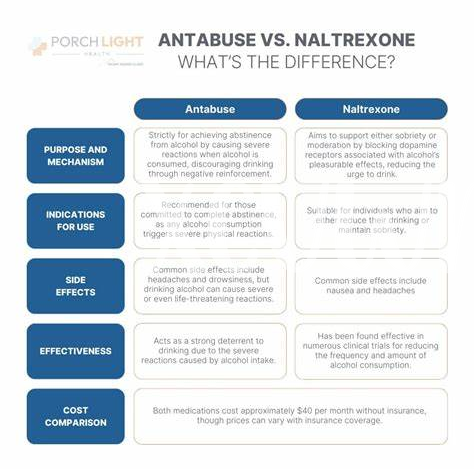
Imagine the liver as a crowded workshop where enzymes modify every pill you take; when one machine slows, concentrations of other drugs can rise unexpectedly.
Antabuse and similar agents can inhibit certain liver enzymes, shifting how fast medicines are cleared. Drugs metabolized by cytochrome P450 systems may accumulate, increasing effects or toxicity.
This matters for drugs with narrow therapeutic windows such as anticoagulants, anticonvulsants and some psychiatric medicines, where small level changes cause big clinical consequences.
Providers may monitor levels, adjust doses or choose alternatives. Always tell your prescriber about antabuse and any over the counter products to reduce risk. Laboratory testing and follow up can prevent harm, especially during treatment initiation and dose changes.
Topical Products and Hand Sanitizers: Unexpected Alcohol Exposure
A quick dab of lotion, a spritz of gel, and you might not expect an antabuse reaction, yet skin absorption or inhalation can introduce ethanol into the body unexpectedly often mimicking alcohol exposure symptoms.
Small amounts from topical antiseptics, perfumes, or medicated pads may be enough to cause discomfort for someone taking antabuse; exposure routes include inhalation, broken skin, and accidental ingestion, so read labels and ask questions often.
| Product | Contains |
|---|---|
| Hand sanitizer | Yes |
Before using topical products check ingredients and ask pharmacists about nonalcohol alternatives; carry a list of safe items and tell clinicians you are on antabuse to avoid preventable reactions that could be serious quickly indeed.
What to Discuss with Your Prescriber before Starting
Tell your clinician about current medicines, over-the-counter drugs, vitamins, and herbal supplements. Mention alcohol use, past reactions, and renal or liver problems so choices match your health and safety needs.
Ask about interactions with psychiatric medications, sedatives, or enzyme-altering drugs. Request guidance on hidden alcohol sources and emergency steps if a severe reaction occurs while on therapy and follow up.
Clarify monitoring plans, liver tests, and how long to avoid alcohol after stopping treatment. Agree a clear plan for missed doses, side effects, and urgent contact instructions. MedlinePlus: Disulfiram (Antabuse) PubMed: Disulfiram research