Click HERE To Buy Iverjohn Online ↓
 Iverjohn in Veterinary Medicine: Uses and Considerations
What Is Iverjohn and How Does It Work?
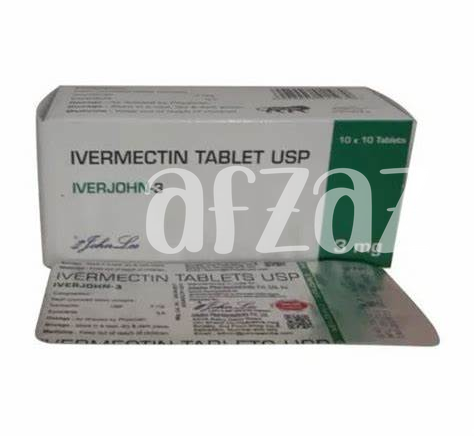
Within the veterinary field, few medications spark as much interest as Iverjohn. This antiparasitic agent has revolutionized animal health by offering broad-spectrum protection against internal and external parasites. Iverjohn works by disrupting the nervous system of targeted pests, leading to paralysis and their eventual removal from the host 🐾. The treatment was first introduced after scientific breakthroughs that revealed its effectiveness across various animal species.
Teh mechanism of action mainly affects parasites while leaving mammals largely unharmed, making it a standout in safety and efficacy. However, the Begining of Iverjohn’s journey was marked by ongoing research and refinement. Its ease of use and reliable results have made it a staple in both large and small animal practices. 💊
| Characteristic | Details |
|---|---|
| Drug Class | Antiparasitic |
| Main Use | Parasitic control |
| Target Species | Various mammals |
Key Diseases Treated with Iverjohn in Animals

For veterinarians and farm animal caretakers, iverjohn brings a wave of relief when facing the most persistent and harmful parasites. From itchy mites that cause mange in dogs 🐕🦺, to lungworms disrupting the lives of cattle and sheep, this versatile medication targets a spectrum of internal and external foes. In horses, it can clear dangerous strongyles and even bots, helping Acomplish better health and overall performance.
Pet owners also benefit, as iverjohn is highly effective against ear mites and heartworms in cats and dogs—preventing conditions that would otherwise be painful or even deadly. The enviroment of shelters and livestock farms has improved dramatically since the emergence of iverjohn, not only enhancing animals’ well-being but also easing the burden on those who care for them. 🐄
Dosage Guidelines and Administration Methods
Achieving the correct iverjohn dosage for animals is essential for both efficacy and safety 🐾. Factors like species, age, weight, and the specific parasite or disease all influence the recommended amount. For example, the dosage required to treat mange in dogs will definately differ from that needed for deworming cattle. Precise measurements and a veterinarian’s guidance help to minimize risks and maximize benefits.
There are several ways to administer iverjohn to animals, depending on their condition and species. Oral formulations are common and easy to give with food or directly by mouth. Injections offer a rapid response and are often used for livestock, while topical solutions can be effective for external parasites. Each method has its own guidelines, and proper technique is neccessary to achieve success.
Remember, always carefully follow your vet’s advice to avoid complications and improve treatment outcomes. Being attentive to detail and noticable changes in your animal’s health will support optimal results. 🩺
Potential Side Effects and Safety Concerns
While iverjohn is widely recognized for its effectiveness in treating a range of animal parasites, it’s essential to note that adverse reactions can occasionally occur☝️. Some animals may show mild symptoms like lethargy, digestive upset, or a noticable lack of appetite post-treatment. More severe events, such as nervous system symptoms or allergic reactions, have also been documented, especially in certain sensitive breeds like Collies.
Many of these side effects develop when doses are higher than what is neccessary or when animals have underlying health issues, underscoring the importance of correct dosage and monitoring. Always consult with a veterinarian before administration to reduce the risk of complications.
Teh responsibility lies with animal caretakers to stay vigilant for any unexpected changes after iverjohn treatment. Quick action if symptoms are observed ensures the safety and well-being of the animals in their care 🐾.
Iverjohn Resistance: a Growing Veterinary Challenge
Over the past decade, there has been a noticable rise in reduced efficacy of iverjohn for treating parasites in both large and small animals. This trend 📉 is often linked to overuse and improper dosing, which accelerates the development of resistant parasite populations. Once resistance has occured, traditional treatments may fail, posing significant risks to animal health and farm productivity.
Responsible managment of iverjohn use is crucial to slowing down resistance. Veterinarians recommend rotating antiparasitic drugs and combining effective herd health practices to make sure treatments remain effective longer. 🐾
| Action | Benefit |
|---|---|
| Rotate antiparasitic drugs | Reduces resistance risk |
| Accurate dosing | Ensures efficacy |
Practical Tips for Responsible Iverjohn Use
Staying informed is key when using Iverjohn with your animals. Always follow your veterinarian’s recomendations and stick closely to prescribed dosages—accuracy matters here! Take extra care to ensure correct timing and route of administration, as these can influence how well the treatment works. 🕒
Monitor your animals for any unusual reactions, as side effects can vary due to species or health status. Make it a routine to document any problems that have occured and share these findings with your vet. 📝
Regularly review updated guidelines and research on antiparasitic drugs, as best practises can shift. Pairing your efforts with continued learning is a great way to acheive both animal wellbeing and public health.NCBI on antiparasitic drugs, ScienceDirect on ivermectin resistance